
On 16 September 2026, the European Parliament voted in favour of the reform establishing a new Union Customs Code and the European Union Customs Authority (EUCA), marking a major step towards a more centralised EU customs system. The agreed text is expected to proceed through the remaining formal steps before publication in the Official Journal of the European Union.
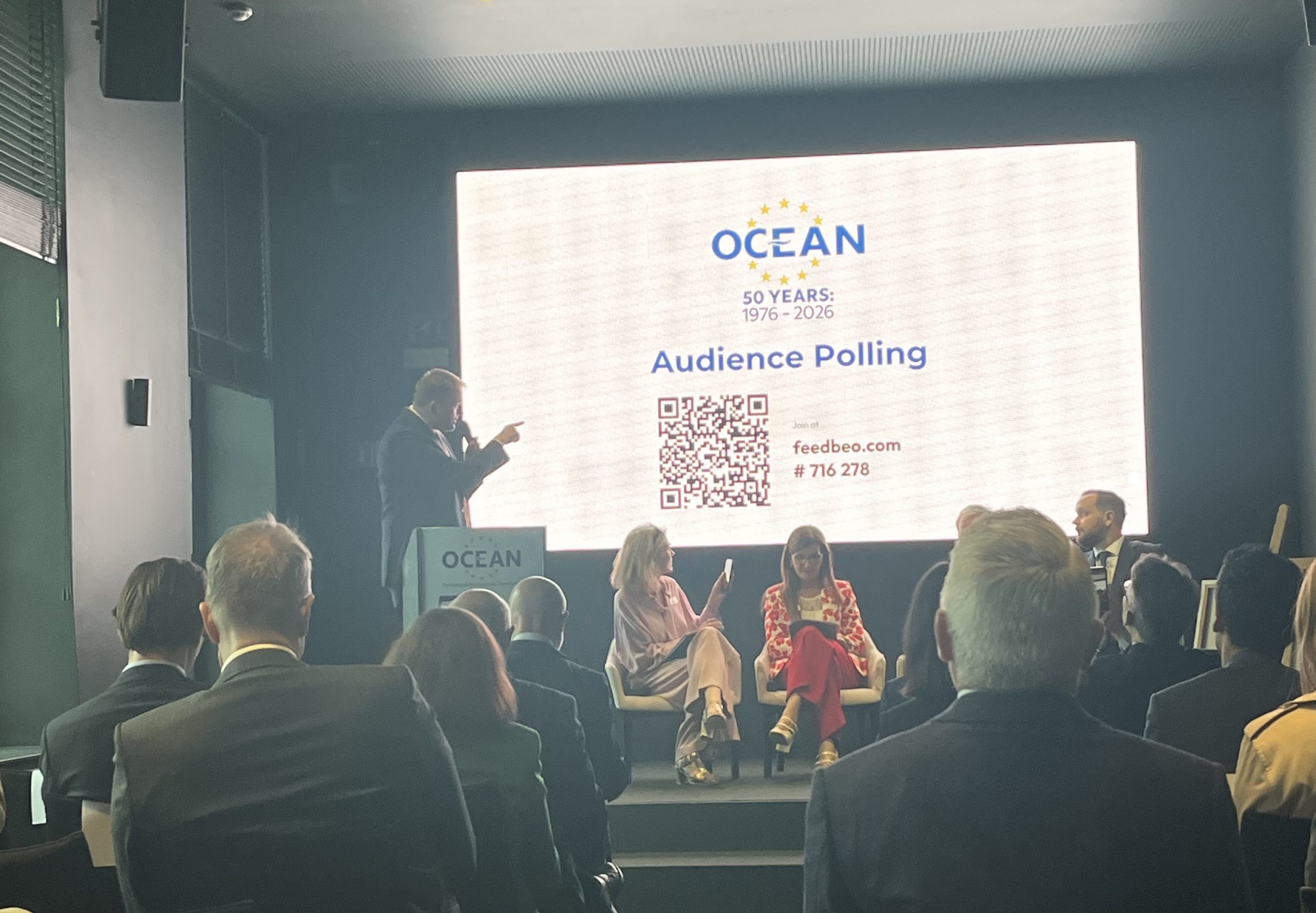
The vote was a key topic at the European Ship Suppliers Organization (OCEAN) 50th Anniversary Conference in Brussels on 17 September, which brought together maritime industry representatives, logistics experts, and EU policymakers.
Gerassimos Thomas, Director-General of DG TAXUD, and Michèle Perolat, Deputy Director of Customs and Head of the Customs Policy Unit at the European Commission’s Directorate-General for Taxation and Customs Union, outlined the transition towards the new framework. The reform will establish the EU Customs Authority, with its operational headquarters in Lille, and introduce an EU Customs Data Hub designed to support a more integrated approach to customs data and risk management.
For European shippers, the reform matters because customs procedures are directly connected to the movement of goods, supply-chain information, and cross-border operations. The new framework is intended to address fragmentation between national customs procedures, while its implementation will require businesses to adapt to new processes and data requirements.
This is closely linked to European Shippers’ Council’s longstanding focus on predictability, harmonisation, and efficient cross-border supply chains. For shippers, the practical implementation of the reform will be as important as the legislation itself. Clear responsibilities, reliable data, and consistent procedures will be important to limit unnecessary administrative burdens and avoid disruptions to cargo flows.
These issues were also raised during the OCEAN industry panel, moderated by Secretary General Arne Mielken, with Nicolette van der Jagt (CLECAT), Lamia Kerdjoudi (FEPORT), Carl Forsman (OCEAN), and Raymond Troch (FONASBA/ECASBA). The discussion highlighted challenges for SMEs, including incomplete information and differing national procedures, as well as the role of customs brokers, Authorised Economic Operator (AEO) status, and potential “Green Lanes”.
The conference also marked OCEAN’s 50th anniversary, providing an opportunity to reflect on five decades of work representing the European ship-supply sector. For European shippers, however, attention now turns to the implementation of the new customs framework and its implications for the predictability, efficiency, and smooth movement of goods across European supply chains.